
 624
 Dec. 07, 2025
Afternoon of December 6, The 2025 Lancang-Mekong Regional Young Scientists Roundtable Forum concluded successfully in Tengchong, Yunnan. The forum, themed "Artificial Intelligence Empowering Regional Sustainable Development: Young Scientists in Action," attracted 57 outstanding young scientists from China, Laos, Thailand, Myanmar, and neighboring countries to engage in in-depth dialogues on the cutting-edge applications of AI technology in promoting regional sustainable development and youth responsibility.
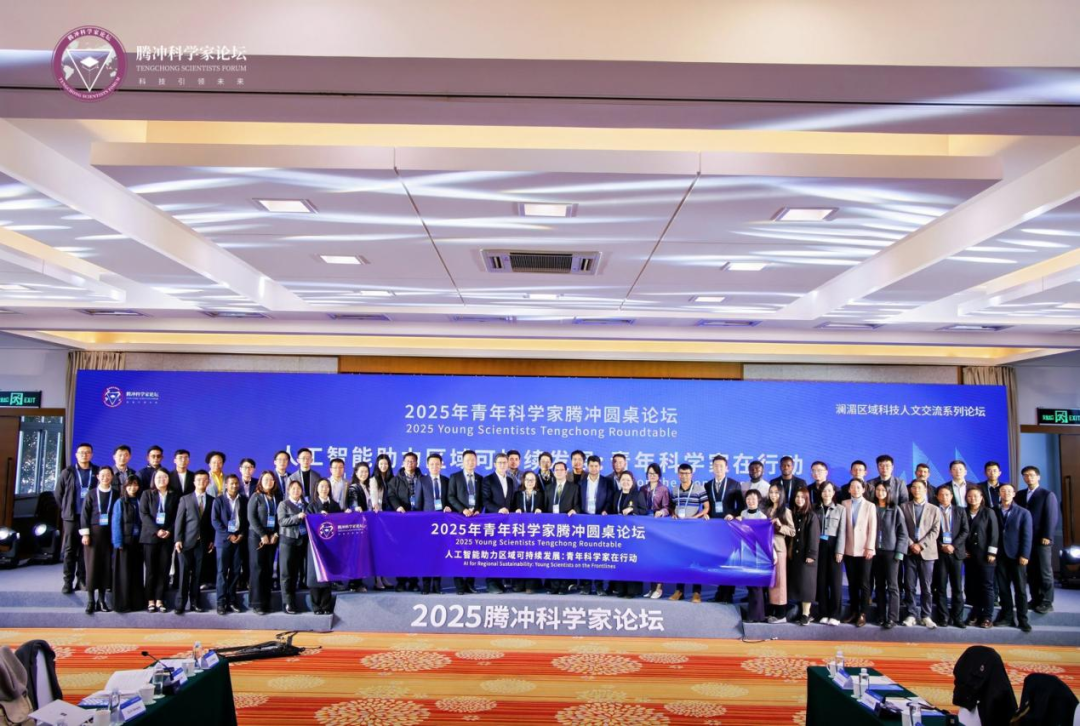
This forum was hosted by the International Science Council China Committee (ISC-CHINA) and co-organized by the World Federation of Young Scientists, the New Technology Development Center of the China Association for Science and Technology, and the Yunnan Association for Science and Technology. It highlighted the strategic consensus of multiple parties to promote the growth of young scientific and technological talent. Gu Baojing, Chairperson of the ISC-CHINA Youth Committee, presided over the event, and Qin Jiuyi, Party Secretary of the China International Science and Technology Exchange Center and Secretary-General of ISC-CHINA, delivered a speech. Gao Chunbo, Vice Chairman and Secretary-General of the World Federation of Young Scientists, attended the event.
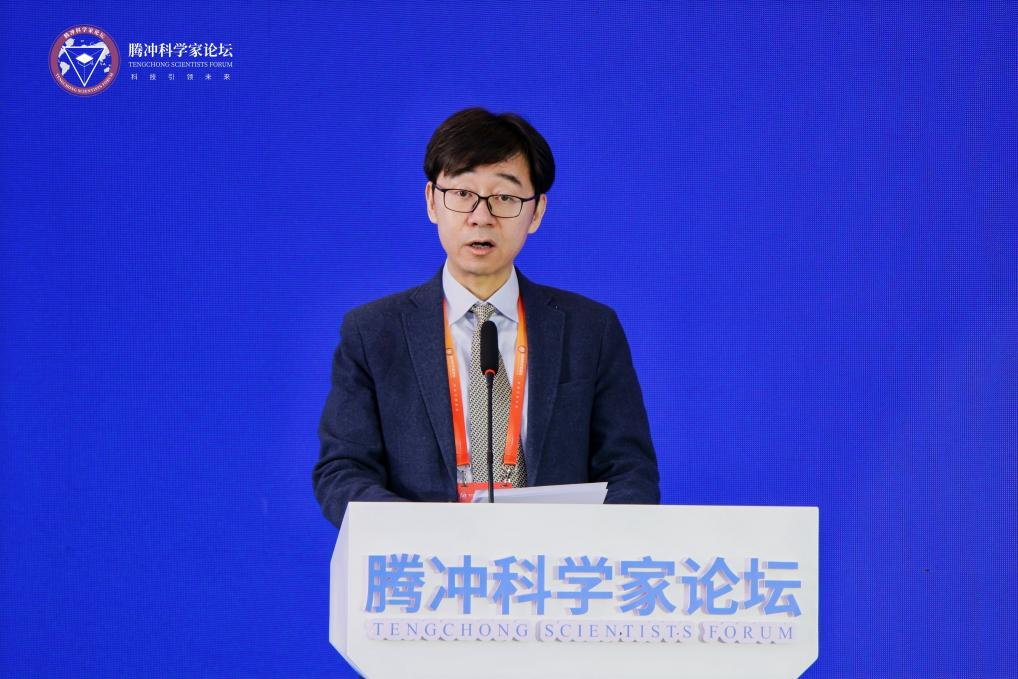
△ Qin Jiuyi's speech
In his speech, Qin Jiuyi stated that against the backdrop of global challenges such as climate change, resource shortages, and public health, young scientists are bearing the mission of exploring innovative solutions. He pointed out that artificial intelligence, as the core driving force of a new wave of technological revolution, is bringing unprecedented opportunities for regional innovation, cross-border cooperation, and human progress. He hopes this roundtable will yield meaningful and effective results—not only valuable knowledge and cutting-edge insights, but more importantly, it can help young scientists find like-minded partners on their research journeys, open smoother channels for collaboration, and spark innovation through the exchange of diverse viewpoints.
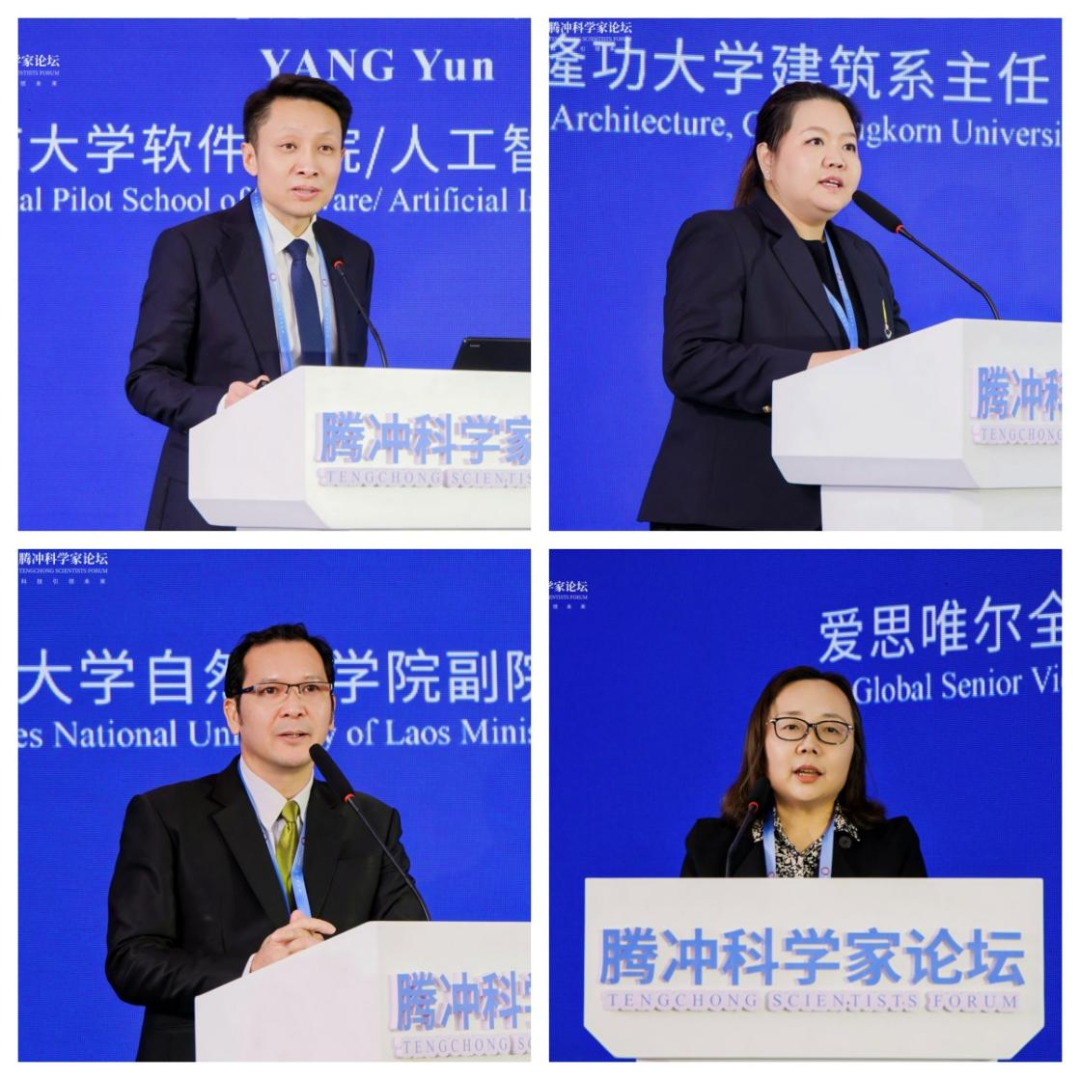
△ Forum guest presents keynote speech
During the keynote session, several experts and scholars shared practical experiences in empowering sustainable development with AI from different perspectives. Yang Yun, Dean of the School of Software/School of Artificial Intelligence at Yunnan University, systematically explained the talent cultivation reform path tailored to regional development needs under the theme "Regionally Focused, Radiating to South Asia and Southeast Asia: Innovation and Practice of the 'AI+' Talent Training Model under the New Engineering Background." He proposed building an "AI + Industry" composite curriculum system, strengthening industry-education integration and international collaboration, and supplying high-level scientific and technological talent to the southwestern border regions and neighboring countries.
Saranya Siangarom, Head of the Department of Architecture at Chulalongkorn University in Thailand, shared innovative applications of AI in the cultural and creative industries. She explained that Thailand is promoting the implementation of AI technology in fields such as cultural tourism, digital protection of historical heritage, and smart city management through national strategic guidance, effectively improving the efficiency of public services and urban resilience. She called on young scientists from all countries to join hands to build an AI future that is human-centered, balancing technological innovation with humanistic care.
Somsack INTHASONE, Deputy Dean of the Faculty of Natural Sciences at the National University of Laos, shared how young scientists leverage AI to drive innovative practices in ecological protection and sustainable development, drawing on their own realities. He stated that AI not only accelerates research progress and improves data processing efficiency but also promotes interdisciplinary and cross-border collaboration, building a collaborative innovation network. He called for strengthening capacity building and industry-academia-research collaboration, empowering the younger generation through digital technology, and working together to create an inclusive, efficient, and sustainable future.
Ms. Li Lin, Elsevier's Global Senior Vice President and President of Greater China, pointed out from the perspective of the global research ecosystem that AI is deeply integrated into the entire research process, significantly improving the efficiency of literature mining, experimental design, and result transformation, but it also faces challenges in trust. To this end, she advocates building a new research ecosystem centered on AI empowerment, open cooperation, and social influence, supporting young scientists as pioneers driving scientific progress and social change.
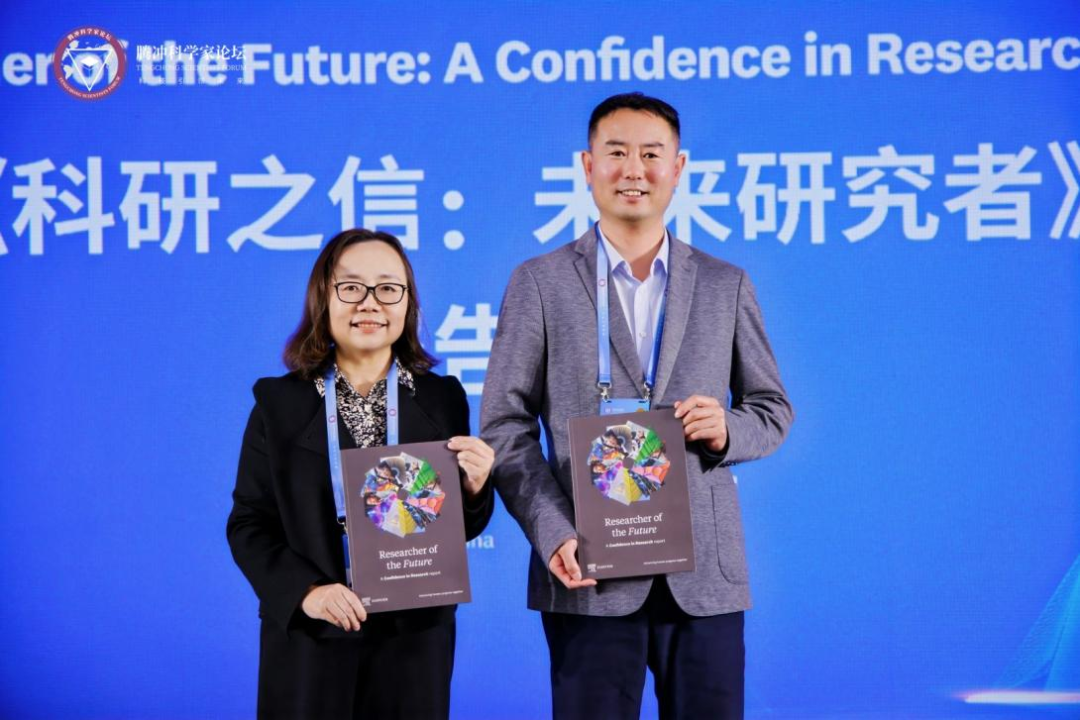
△Ayvier and the Chinese Association for Science and Technology Policy jointly released a report
During the forum, Elsevier and the China Association for Science of Science and Technology Policy jointly released the "Scientific Letter of Science: Future Researchers" Global Researcher Survey Report. The release of the report reflects the ongoing deepening of cooperation between both sides in China and the promotion of the long-term dialogue on "Scientific Research Trust," embodying a shared commitment to advancing the development of China's scientific research ecosystem.
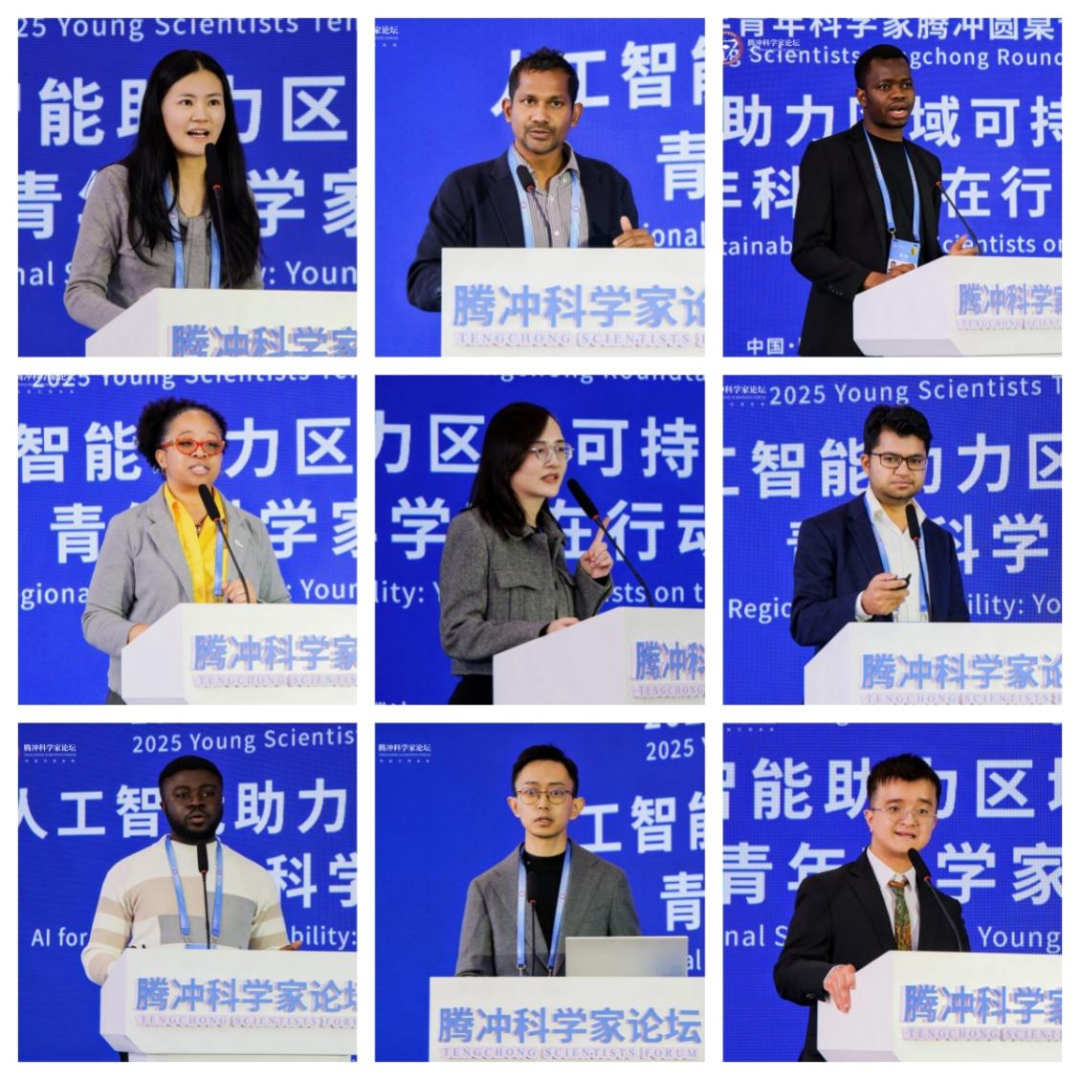
△Topic Exchange and Free Talk Segment Guest (Partial)
During the subsequent topic exchange and free discussion session, more than 30 young scientists from China and abroad focused on the core topic of how artificial intelligence drives industrial development, closely integrating their own research fields and work practices, sharing rich case studies, challenges faced, and reflections on the future.
Finally, a consensus was reached: the integration of AI and sustainable development currently shows four major trends: First, the topics cover a wide range of topics, from microtechnology breakthroughs to macro policy design, spanning natural sciences and social sciences; Second, the interdisciplinary characteristics are prominent, with rapid development in integrated directions such as "AI + Healthcare," "AI + Energy," "AI + Agriculture," and "AI + Social Governance"; Third, international cooperation is becoming increasingly close, especially in the Lancang-Mekong region, where integrating data and methods is becoming a key measure to address global change challenges; Fourth, the youth group has become the backbone driving innovation, playing a leading role in AI model development and expanding application scenarios.
In the future, the forum will continue to build an international, interdisciplinary exchange platform, promote the formation of more replicable and scalable AI application cases, and help build a more inclusive, green, and intelligent new pattern of regional development.