
 901
 Dec. 06, 2024
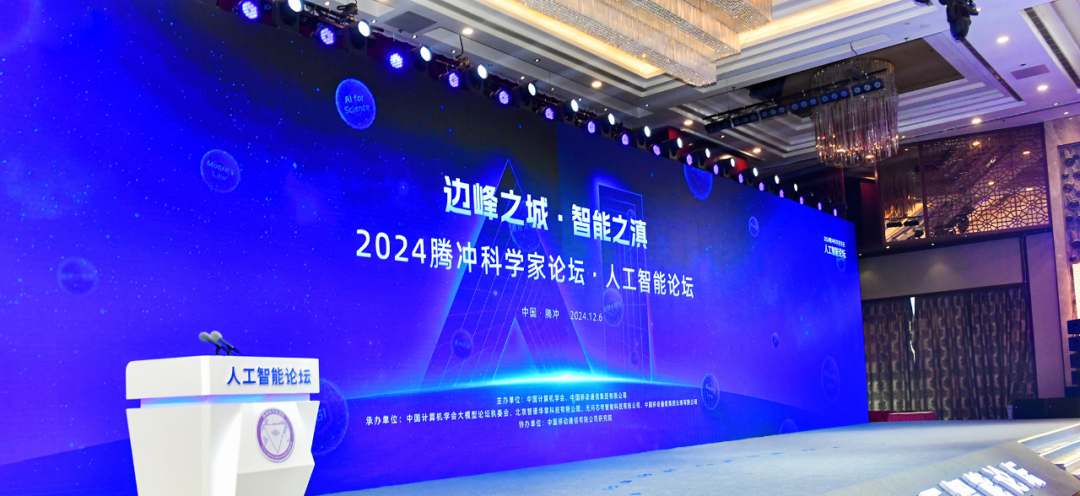
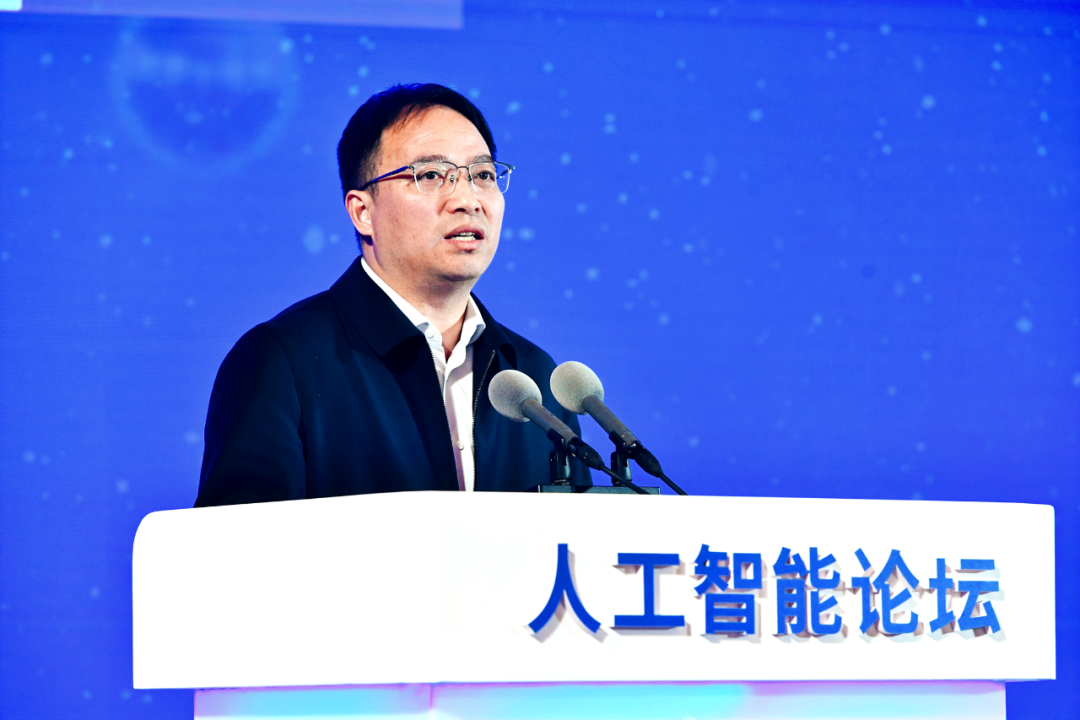
Liu Yong, Vice Governor of Yunnan Province; Gu Binglin, Academician of the Chinese Academy of Sciences, former President of Tsinghua University, and Chairman of the Tengchong Scientist Forum; and Gao Tongqing, Deputy Director of the China Mobile Science and Technology Committee, each delivered opening speeches for the AI forum.
Liu Yong, Vice Governor of Yunnan Province, stated: "General Secretary Xi Jinping pointed out that artificial intelligence is an important driving force for the new round of technological revolution and industrial transformation, and will have a profound impact on global economic and social development as well as the progress of human civilization." The Third Plenary Session of the 20th CPC Central Committee made systematic arrangements for the development of artificial intelligence. The "Decision of the CPC Central Committee on Further Comprehensively Deepening Reform and Promoting Chinese-style Modernization" mentions artificial intelligence four times in the full text. Today, the addition of an artificial intelligence sub-forum at the Tengchong Scientists Forum is not only a positive response to the decisions and deployments of the Party Central Committee, but also an exploratory practice to accelerate scientific and technological innovation and industrial development in the field of artificial intelligence. ”
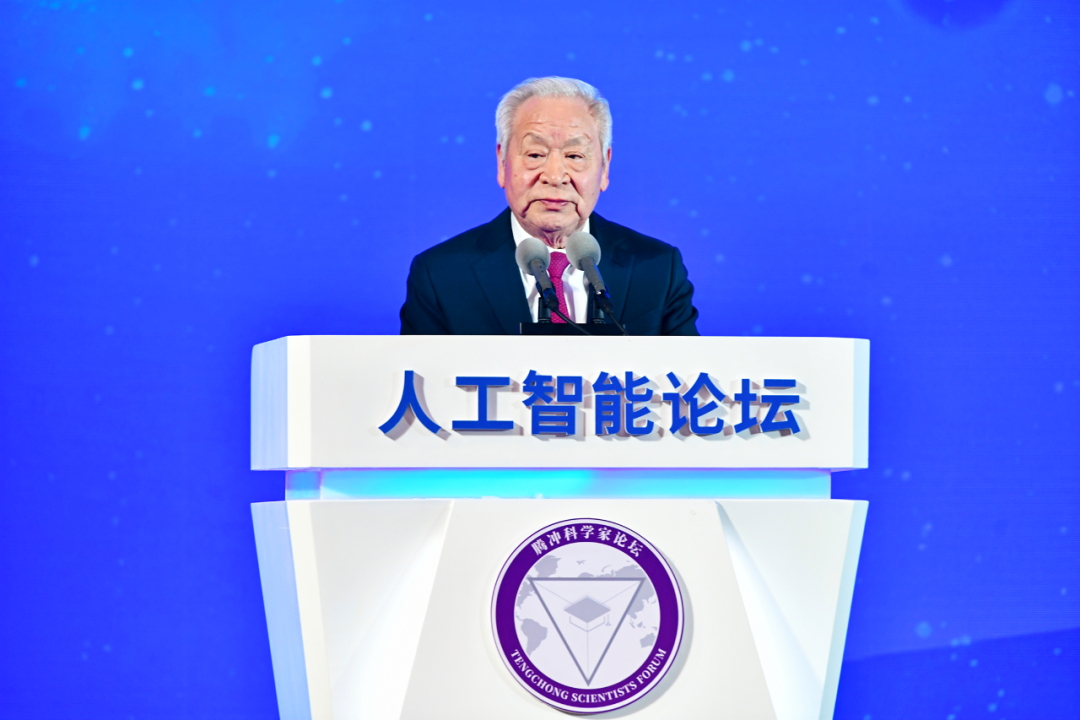
stated at the conference: "In recent years, we have witnessed the rapid development of artificial intelligence technology at an unprecedented pace, profoundly impacting culture, technology, politics, society, and many other fields." We sincerely hope that today's forum will reach consensus and form plans in multiple areas, allowing the dividends of artificial intelligence to be strongly unleashed here, and enabling our forum to play a positive role in promoting the high-quality development of Yunnan and Tengchong in the AI era, and better serving the development of Yunnan, the whole country, and even the world. ”
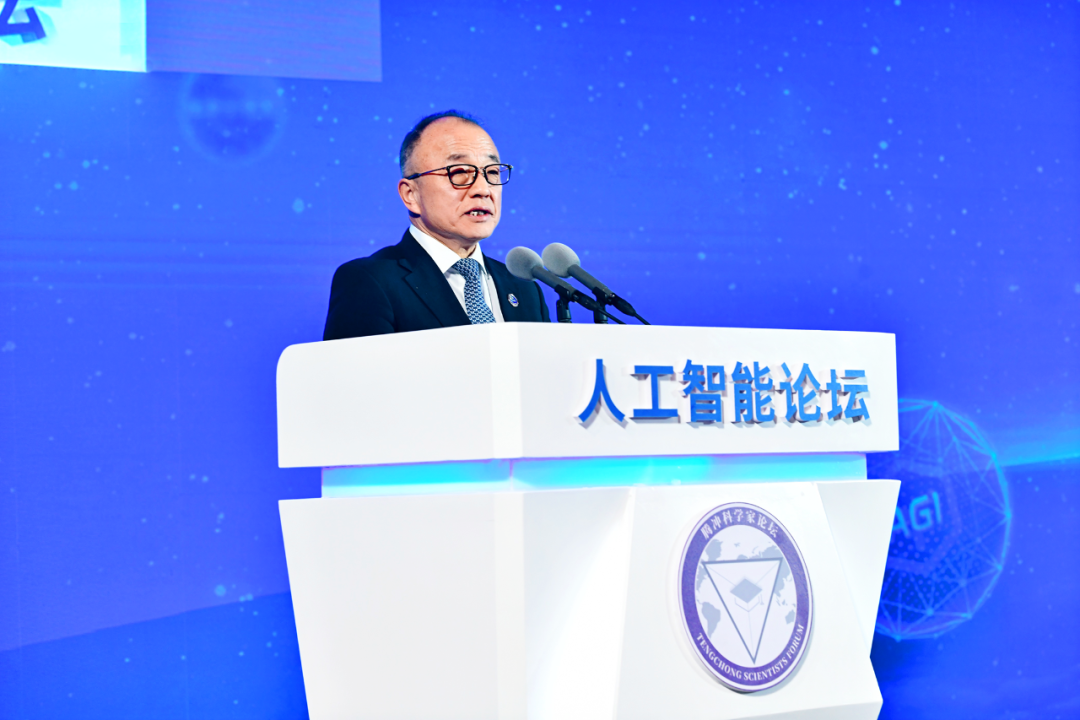
Gao Tongqing, Deputy Director of the China Mobile Science and Technology Committee, stated: " Facing new opportunities and challenges in technological revolution and industrial transformation, China Mobile is willing to further leverage its advantages, be a main force in technological innovation, be a pioneer in industrial development, and work hand in hand with partners from industry, academia, research, and application sectors to promote the transformation of scientific and technological achievements in key fields in Yunnan, assist Yunnan Province in accelerating the construction of the South Asia and Southeast Asia information corridor, inject new vitality into Yunnan's industrial digital and intelligent development, and make greater contributions to cultivating and strengthening new quality productive forces for the country. ”
Forum invited Xu Zongben, academician of the Chinese Academy of Sciences, mathematician, signal and information processing expert, and professor at Xi'an Jiaotong University, as well as Guo Yike, Fellow of the Royal Academy of Engineering and Chief Vice-President of the Hong Kong University of Science and Technology, to give special keynote speeches.
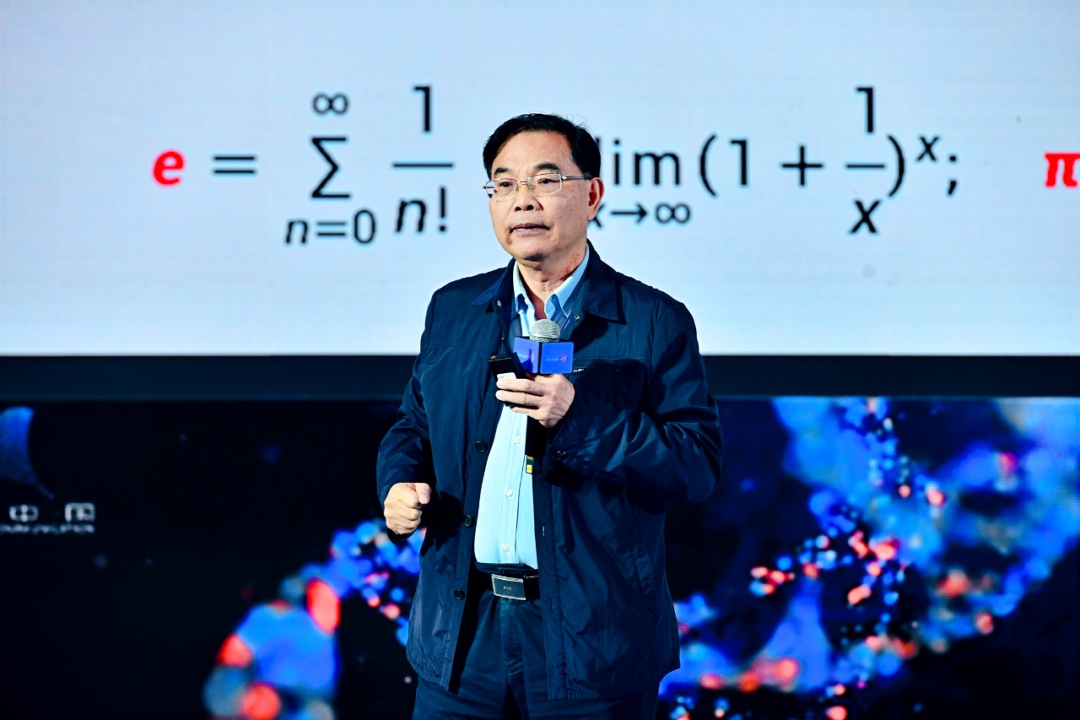
generative artificial intelligence characterized by large models has developed rapidly in recent years and is widely recognized for its powerful intelligent emergence capabilities. But what is intelligent emergence? What factors have driven the emergence of intelligence? Under what circumstances will large models emerge with intelligence? Academician Xu Zongben's report, "Intelligent Emergence of Large Models / Criteria for Determining Scale Laws," presented a mathematical framework and theory to address these questions and debates, and shared with the audience the analysis of the conditions for intelligent emergence derived from this framework.
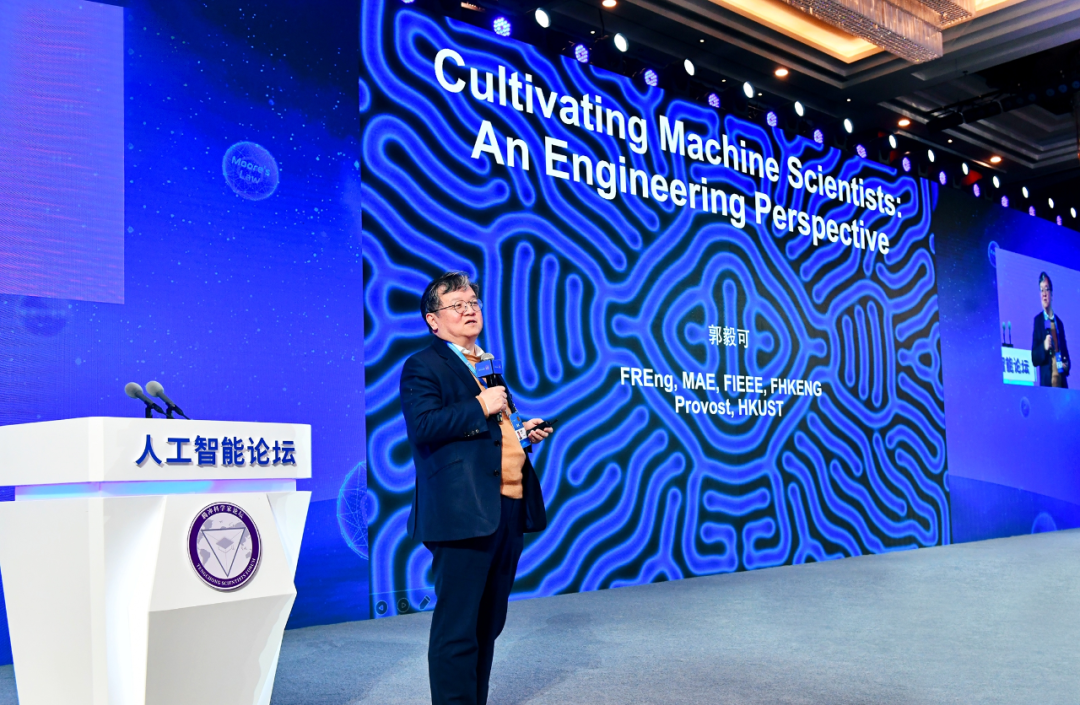
through alignment technology, models can self-optimize based on feedback and environmental changes, enhancing their performance in scientific research. In his invited lecture "Cultivating Machine Scientists: An Engineering Perspective," Academician Guo Yike pointed out that based on a new framework proposed by his team, combined with adaptive learning mechanisms and knowledge transfer methods, models can continuously improve their research capabilities through experimental validation and iterative learning, and even generate new scientific hypotheses, providing new perspectives and directions for future scientific intelligence research.
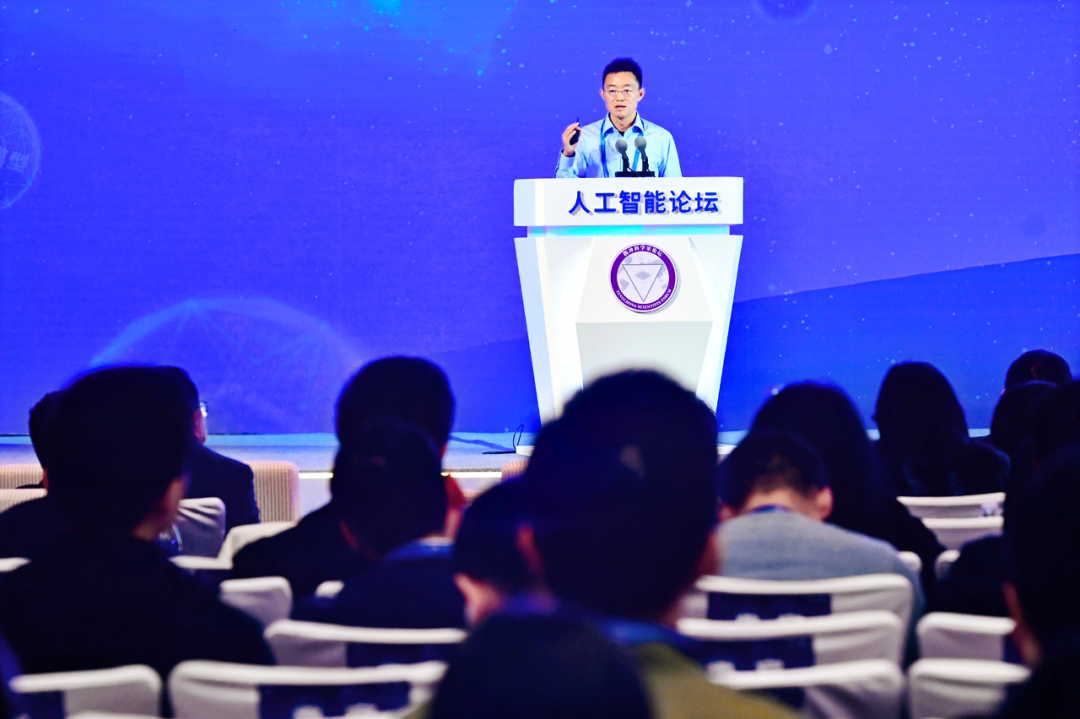
recent rapid development of ultra-large-scale pre-trained models, as one of the earliest teams in China engaged in large model research, Professor Tang Jie from the Department of Computer Science at Tsinghua University led his team to develop the GLM series of self-developed models. He delivered a speech titled "GLM: Viewing AGI Development from the Perspective of Large Models," sharing his views on how to enhance the use of large model languages, reasoning, and tools, enabling faster and better multimodal fusion, as well as some of his thoughts on AGI. Including the future path of AI and potential technical challenges.
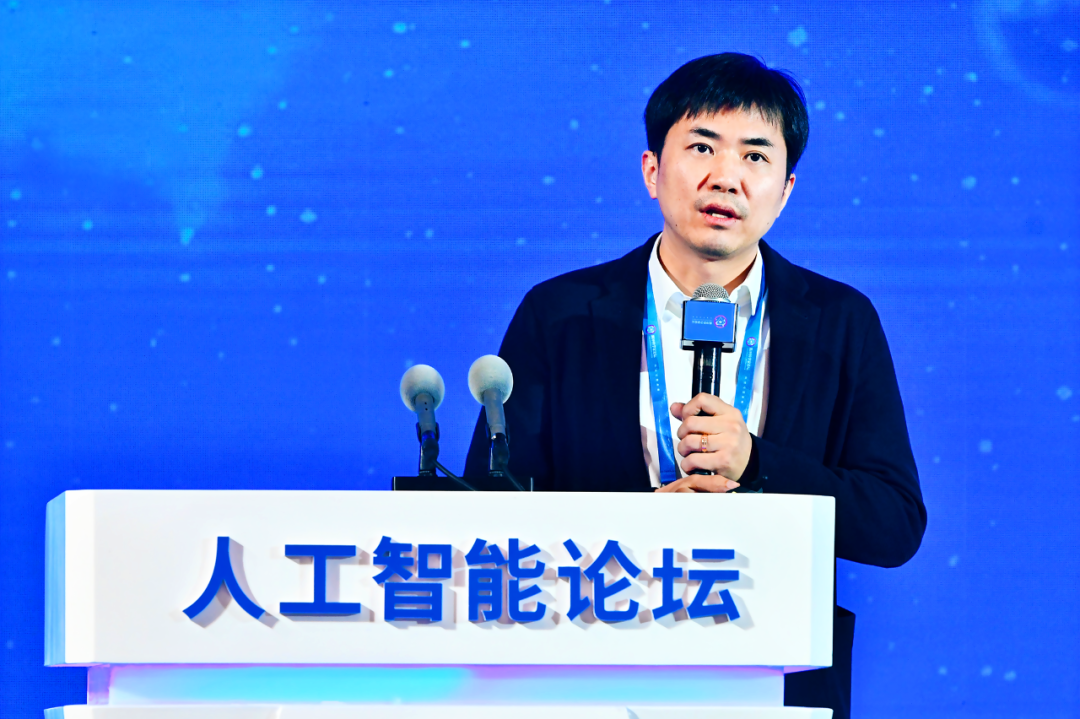
as AI evolves from perceptual intelligence to cognitive intelligence, AI 2.0 models, represented by ultra-large-scale pre-trained models, have seen a surge in computing power demand, and the energy consumption of hardware systems is gradually becoming "in short supply." Wang Yu, Professor and Head of the Department of Electronic Engineering at Tsinghua University and initiator of Wuwen Xinqiong, presented in his lecture "Research and Reflections on Computing Power to Robotics." He introduced research achievements on improving intelligent system energy efficiency through software-hardware coordinated optimization, looked ahead to the next stage of AI development, and explored research paths for data-driven embodied intelligence and swarm intelligence.
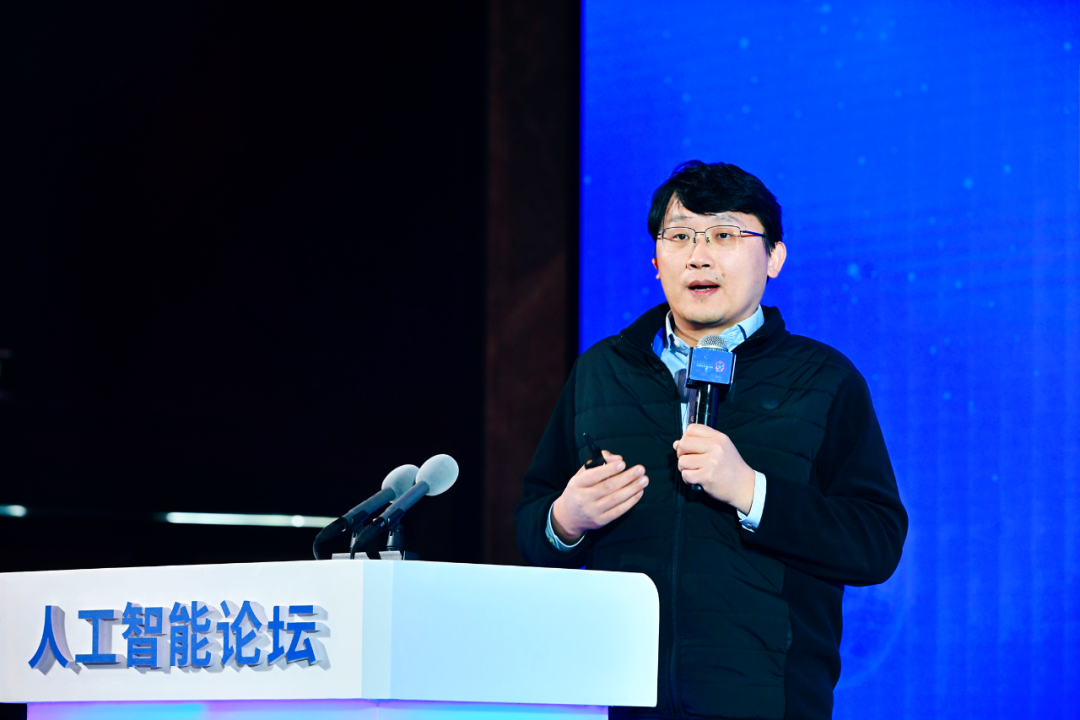
generative models have developed rapidly, diffusion probabilistic models have made significant progress in cross-modal text-image generation, 3D generation, video generation, and more. Zhu Jun, Title Professor of Bosch Artificial Intelligence at the Department of Computer Science at Tsinghua University and Deputy Director of the Institute for Artificial Intelligence, delivered a keynote speech titled "Diffusion Models: More Than Just High-Dimensional Data Generation," introducing topics such as high-dimensional data generation based on diffusion models (such as images, 3D, videos, etc.), robust classification based on pre-trained diffusion models, and offline reinforcement learning using diffusion models.
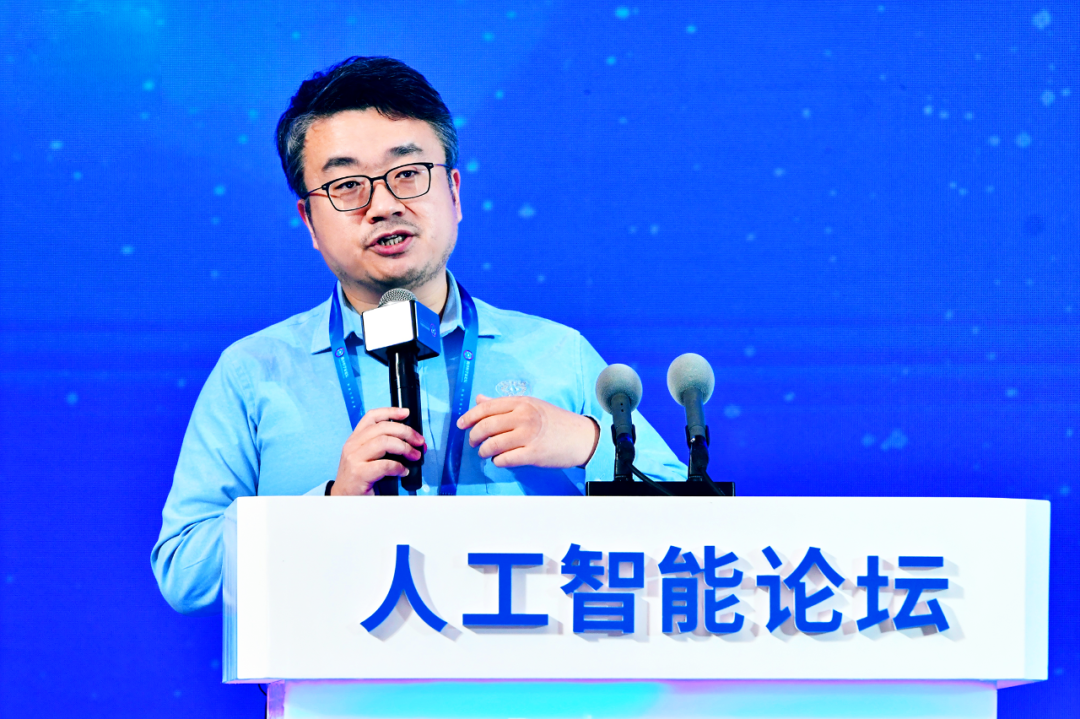
Scaling Law valid in the long run? Looking ahead, what is the development trend of large models? Will it be to continuously increase the scale of model parameters to pursue more intelligent emergence? Liu Zhiyuan, tenured associate professor at Tsinghua University's Department of Computer Science, delivered a speech titled "The Law of Density, Inference, and Prediction of Large Models," introducing the Density Law of large models, summarizing the trend of continuously increasing capability density, revealing the enormous potential of edge intelligence, and emphasizing that future scientific development paths for large models should be continuously explored, model manufacturing processes continuously improved, and high-quality, sustainable development of artificial intelligence achieved.
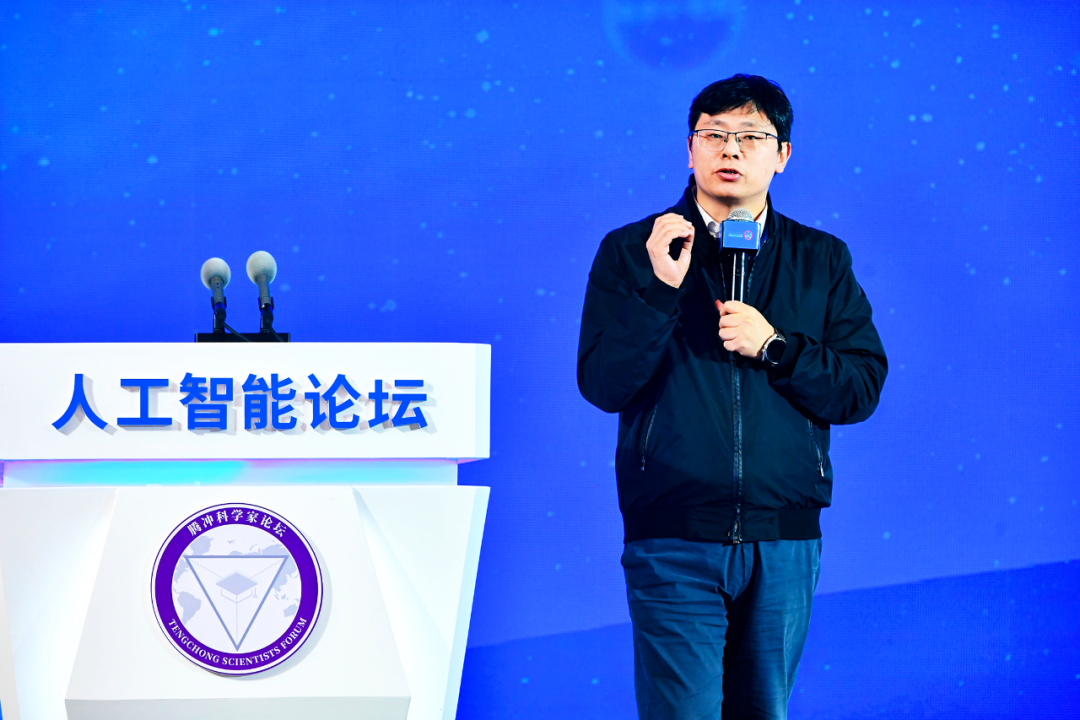
although large language models have demonstrated high versatility, they still have certain shortcomings in handling complex, multimodal, and long-term memory tasks. Professor Qiu Xipeng from the School of Computer Science at Fudan University, Fellow of the Chinese Association for Artificial Intelligence, and Director of the Natural Language Processing Committee of the Shanghai Computer Federation introduced in "From Large Language Models to World Models" how large language models can continuously learn through interaction with real-world environments, alleviating their limitations in understanding the physical and social worlds, thereby truly transforming into "world models."
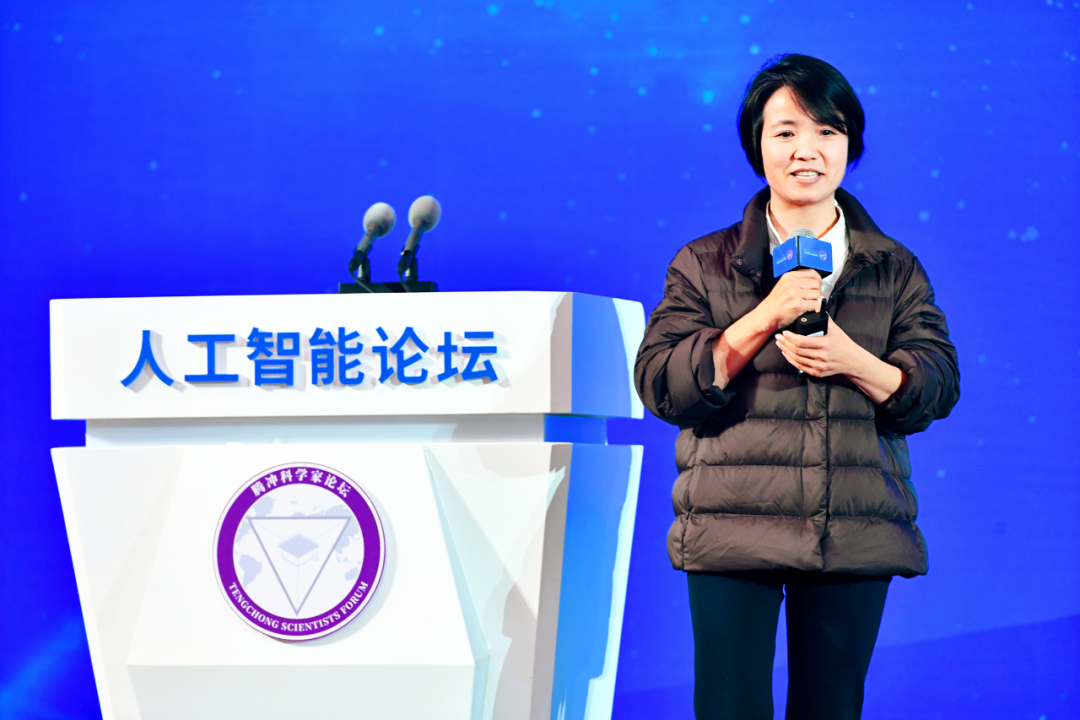
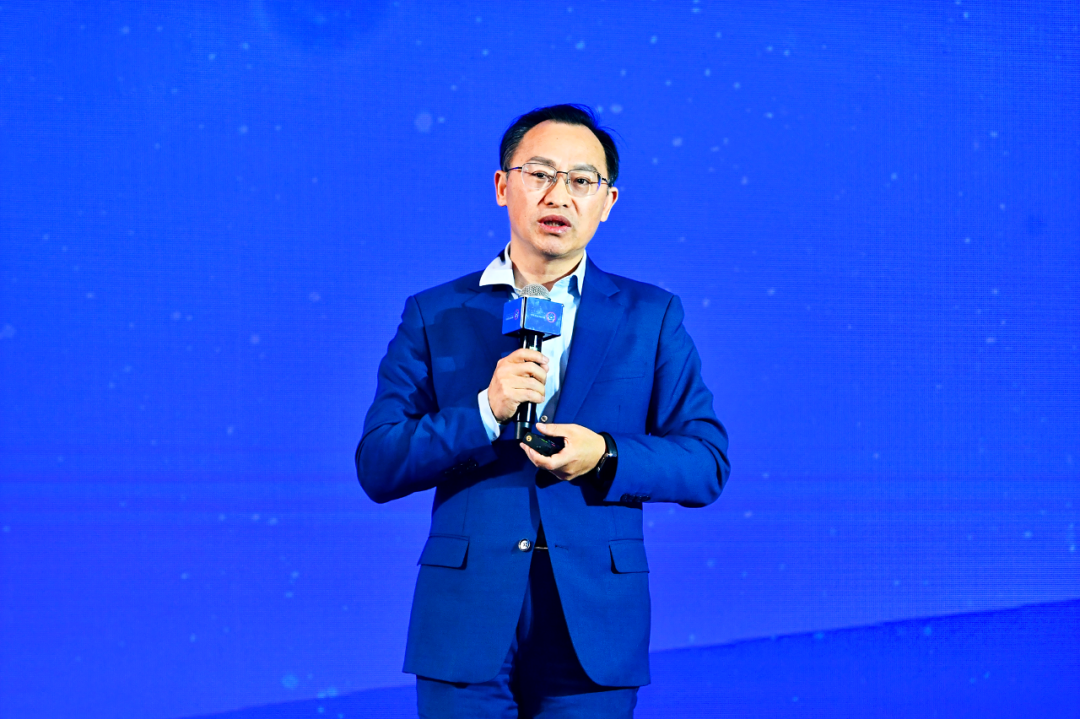
more data, better algorithms, and more powerful computing power will lead us into a new era of comprehensive intelligence. Zhou Hong, Director of Huawei Strategic Research Institute, discussed insights into future technology trends in her speech "From What to Why and How: Developing Accurate, Efficient, and Creative Intelligence," presenting ten major challenges in future technology development including two key scientific questions and eight technical directions. She shared Huawei's practices in AI services for life and production, scientific research, and education, inspiring us to jointly shape a better intelligent world.
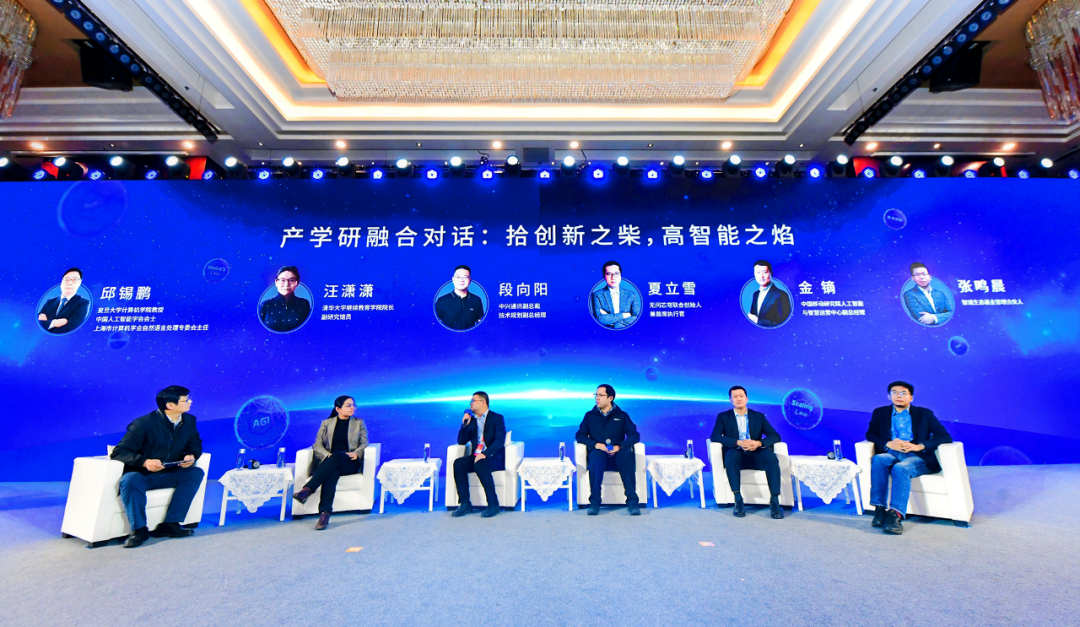
technology is the primary productive force, talent is the primary resource, and innovation is the primary driving force. At the conclusion of the AI forum, at the roundtable titled "Industry-Academia-Research Integration Dialogue: Picking Up the Firewood of Innovation, Burning the Flame of High Intelligence" chaired by Professor Qiu Xipeng, Wang Xiaoxiao, Dean and Associate Research Librarian of the School of Continuing Education at Tsinghua University; Duan Xiangyang, Vice President and Deputy General Manager of Technology Planning at ZTE; Xia Lixue, Co-founder and CEO of Wuwen Xinqiong; Jin Di, Deputy General Manager of the Artificial Intelligence and Smart Operations Center at China Mobile Research Institute; and Zhang Mingchen, Managing Partner of Zhipu Ecosystem Fund, participated in the discussion.
as a fundamental and strategic technology leading a new round of technological revolution and industrial transformation, artificial intelligence is becoming a key engine for developing new quality productive forces, accelerating deep integration with the real economy and fully empowering new industrialization. This Tengchong Scientists' Forum for Artificial Intelligence is a brand-new starting point. We look forward to working together to promote the healthy development of AI technology through in-depth exchanges and cooperation among numerous academicians, scholars, educators, and entrepreneurs on this platform, helping to build an innovation ecosystem that supports future industrial development, and contributing wisdom and strength to building a smarter, more efficient, and sustainable world.