 901
 Dec. 06, 2024
Sukhahutta, Vice President of National University of Laos Thongsuk Kemani, and Vice President of Royal University of Phnom Penh, Cambodia, Thak Keen, were invited to attend the meeting.
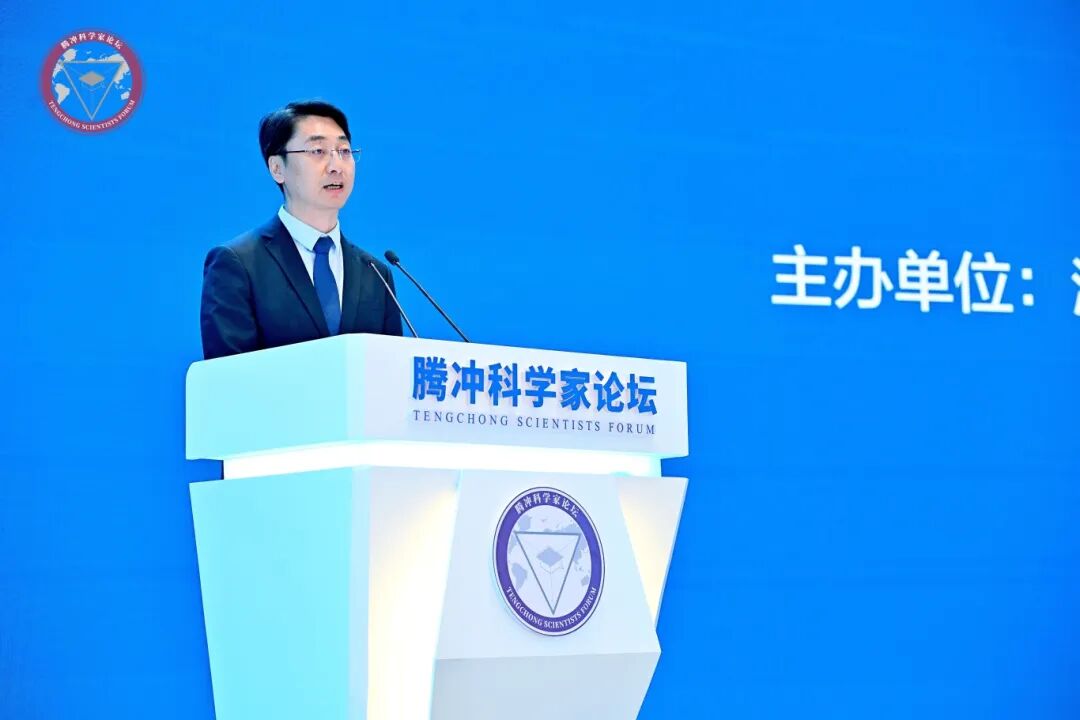
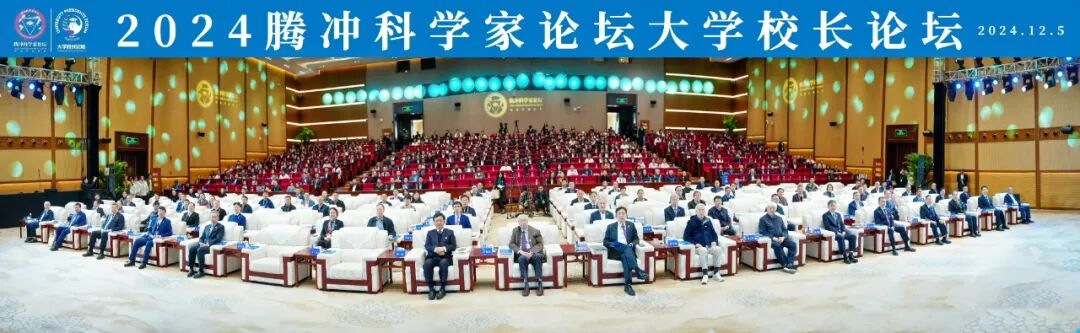
Yang Bin, member of the Standing Committee of the Yunnan Provincial Party Committee and Secretary of the Qujing Municipal Party Committee, and Wang Zhengying, Vice Governor of Yunnan Province, attended the forum. The forum was hosted by Wang Yunfei, Director of the Yunnan Provincial Department of Education.
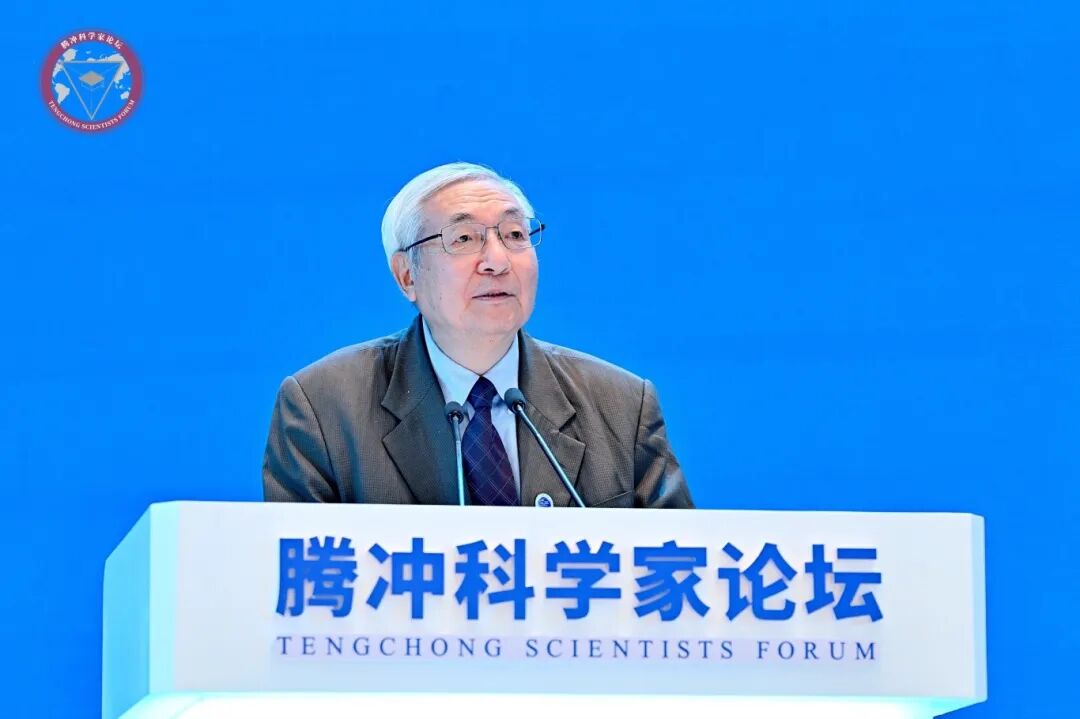
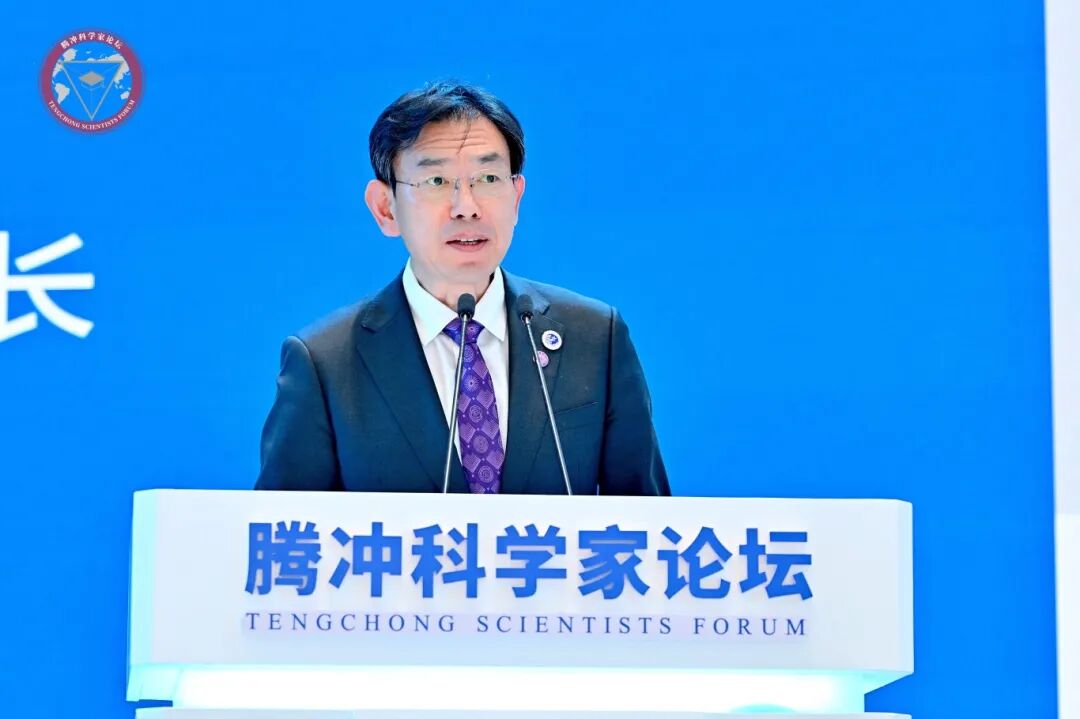
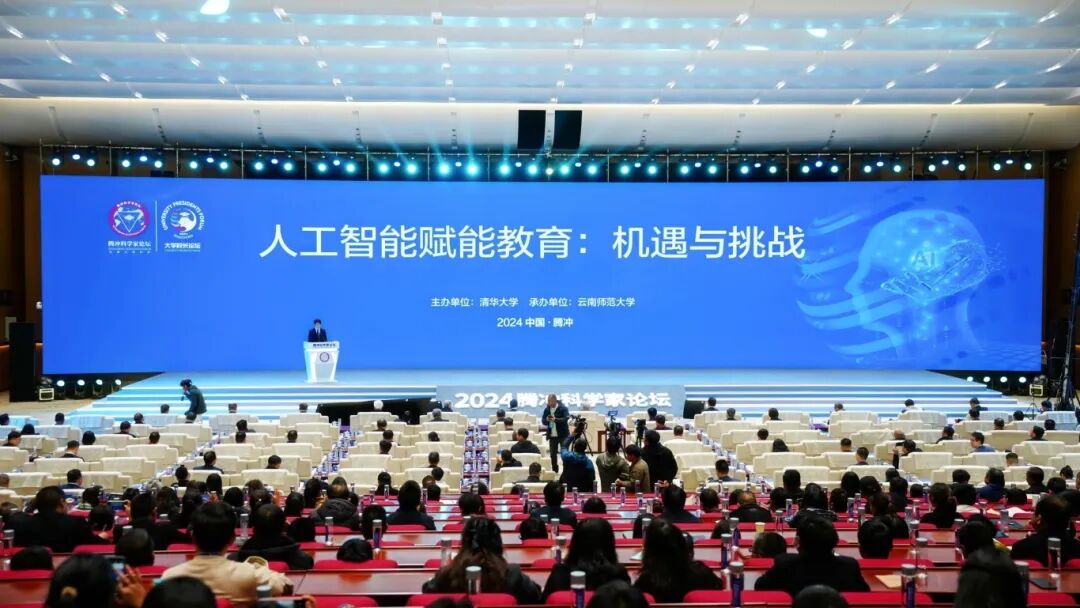
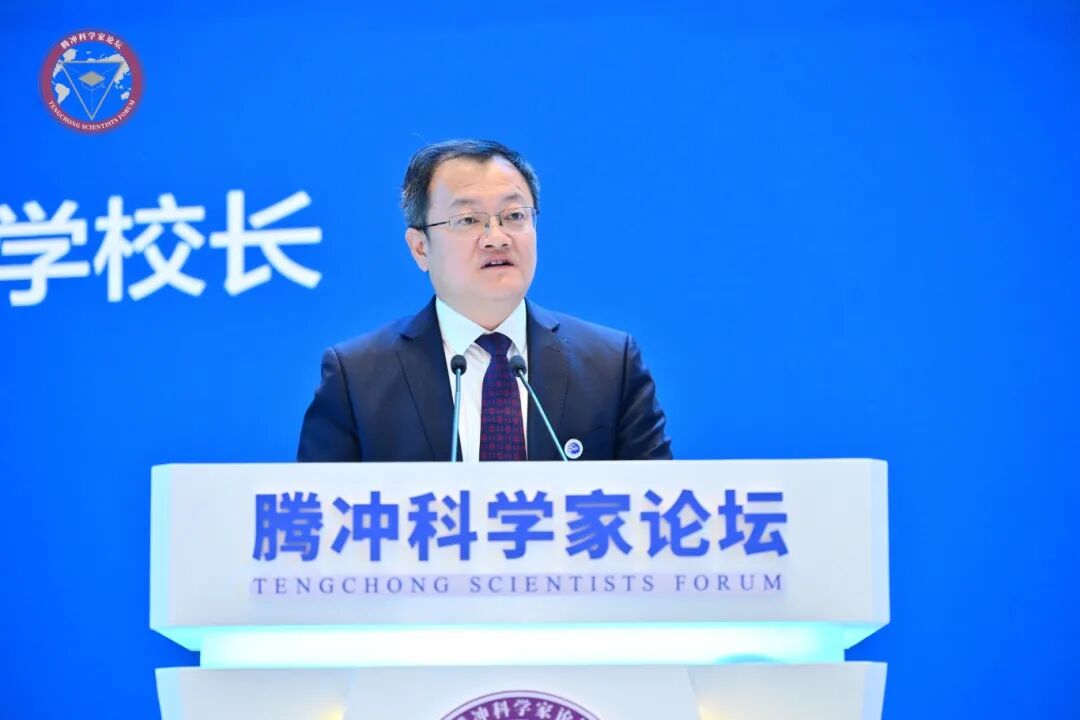
during the keynote speech, President Li Luming shared the opportunities and challenges that artificial intelligence brings to transforming higher education and introduced Tsinghua University's practice of empowering education and teaching with artificial intelligence." Artificial intelligence is ushering human society into an intelligent era characterized by human-machine collaboration, cross-disciplinary integration, and co-creation and sharing. AI expands the boundaries of student learning, teacher skills, and university education, helping to achieve personalized growth on a large scale and bringing infinite possibilities to higher education. To this end, Li Luming proposed the Initiative for the Development of Higher Education in the Intelligent Era: guided by future-oriented talent needs, incorporating artificial intelligence into general education; Driven by innovative applications of artificial intelligence, reconstruct the cultivation system for high-level innovative talent; Develop and use AI responsibly based on the principles of benefit, safety, and fairness; With the goal of jointly creating a better future for humanity, we will strengthen exchanges and cooperation in the field of artificial intelligence.
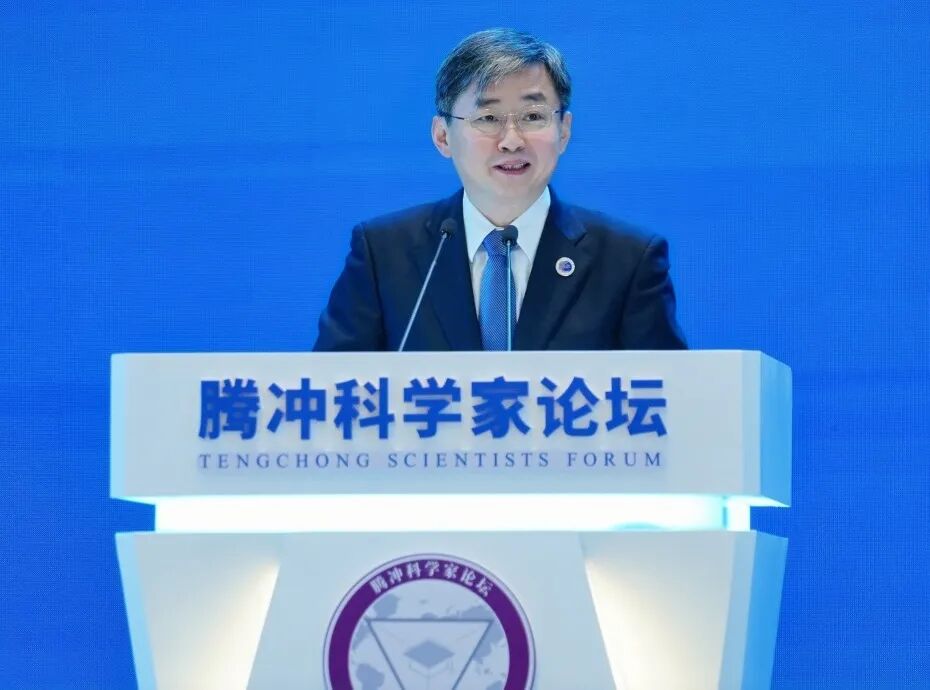
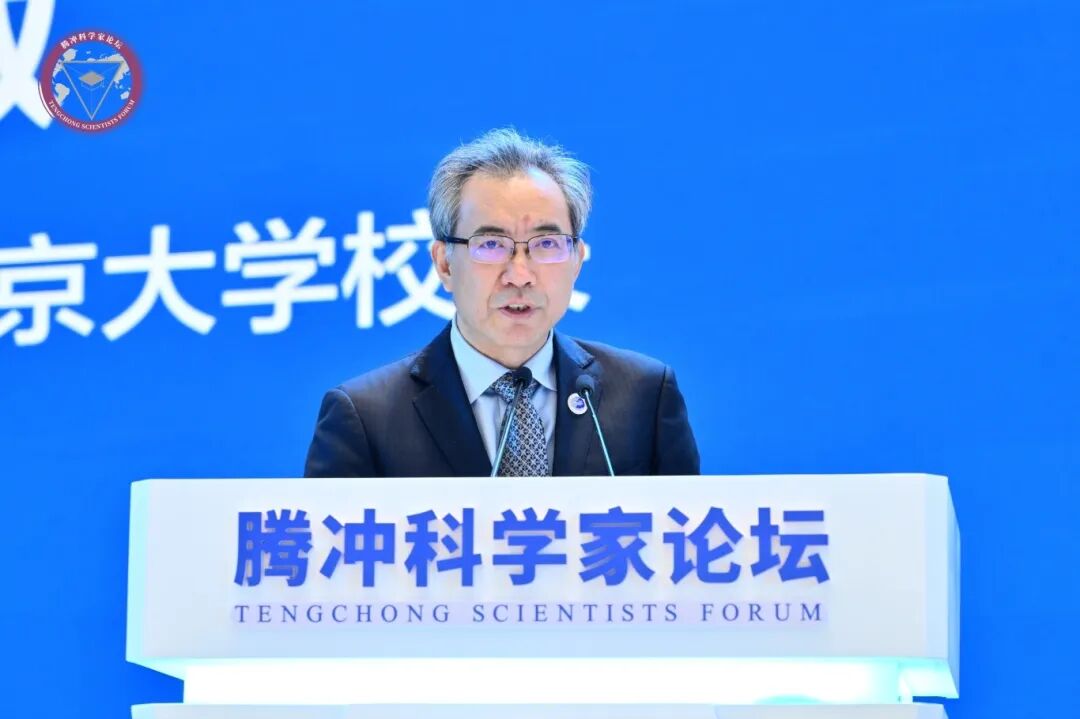
Principal Tan Zhemin based on the challenges and opportunities of integrating artificial intelligence and education, believes that the future intelligent era will present four new characteristics: "cross-generation, digitalization, interaction, and change." Artificial intelligence has a profound impact on education and requires proactive responses to the new higher education ecosystem in the AI era, driving profound transformation in education and teaching. Tan Zhemin introduced Nanjing University's comprehensive use of artificial intelligence to empower reforms in teaching and research, as well as the application and practice of innovation in education and teaching, and shared thoughts on strengthening AI application ethics and the construction of application standards.
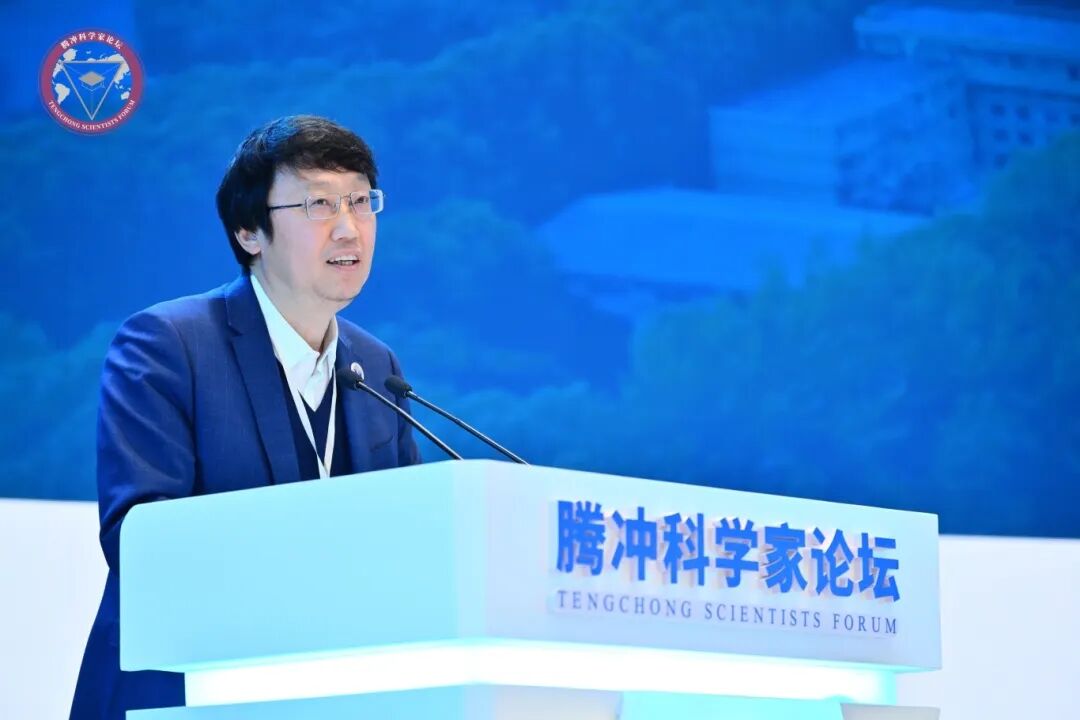
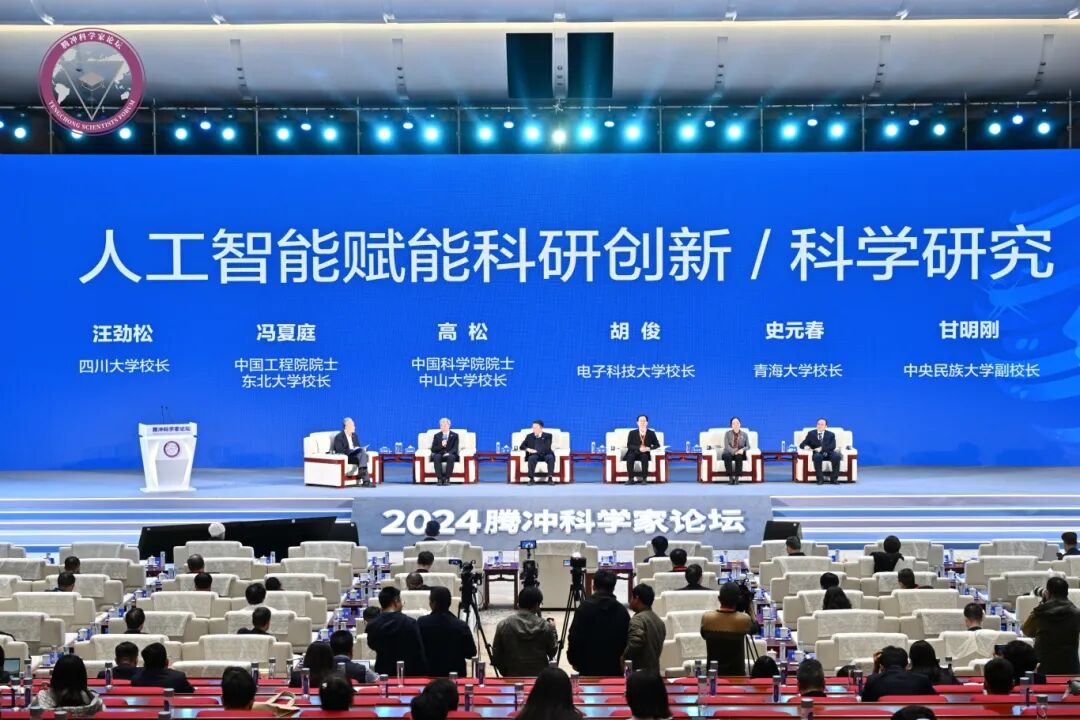
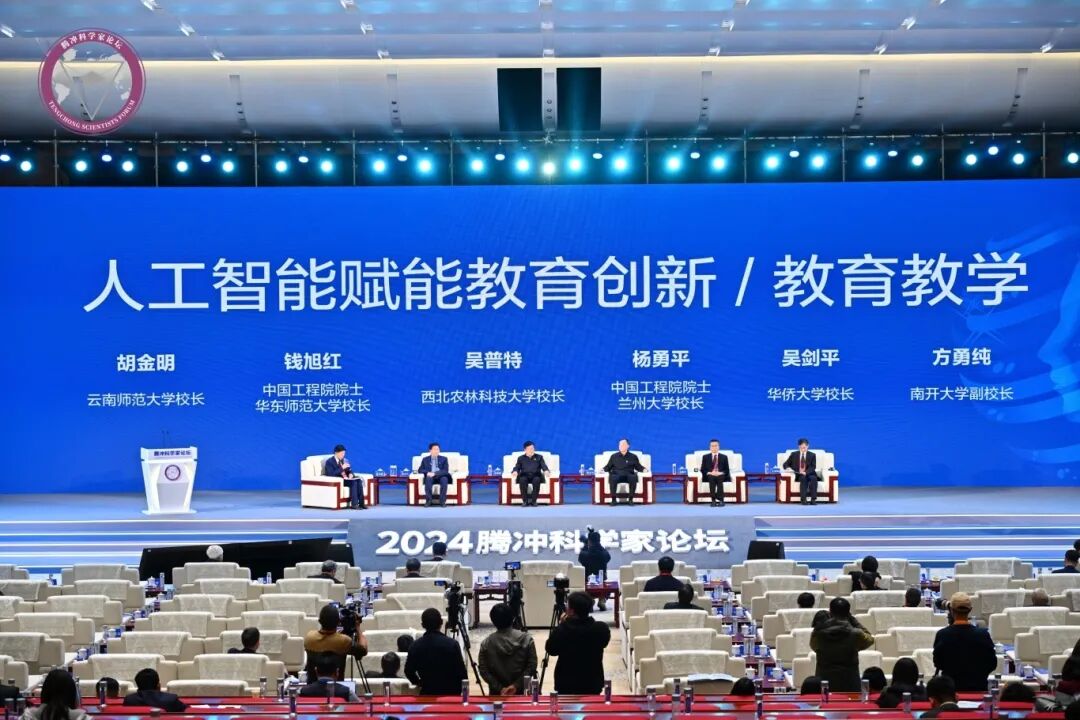
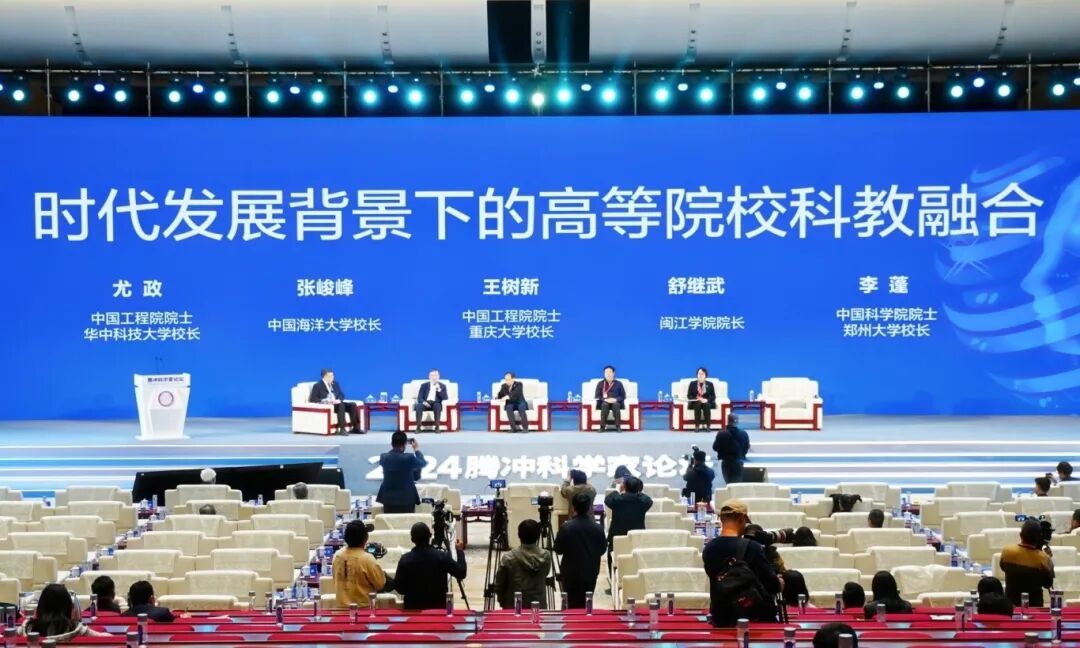
roundtable discussion in the second phase of the forum. The first roundtable discussion was chaired by Wang Jinsong, President of Sichuan University. Academician Feng Xiating of the Chinese Academy of Engineering and President of Northeastern University; Gao Song, Academician of the Chinese Academy of Sciences and President of Sun Yat-sen University; Hu Jun, President of University of Electronic Science and Technology of China; Shi Yuanchun, President of Qinghai University; and Gan Minggang, Vice President of Minzu University of China, engaged in in-depth discussions on the theme "Artificial Intelligence Empowering Scientific Research Innovation / Scientific Research." They discussed how to better leverage AI technology to break through research bottlenecks, solve complex problems difficult to tackle by traditional methods, deepen interdisciplinary cooperation, and jointly build infrastructure platforms.